- English
- French
- German
- Portuguese
- Spanish
- Russian
- Japanese
- Korean
- Arabic
- Greek
- German
- Turkish
- Italian
- Danish
- Romanian
- Indonesian
- Czech
- Afrikaans
- Swedish
- Polish
- Basque
- Catalan
- Esperanto
- Hindi
- Lao
- Albanian
- Amharic
- Armenian
- Azerbaijani
- Belarusian
- Bengali
- Bosnian
- Bulgarian
- Cebuano
- Chichewa
- Corsican
- Croatian
- Dutch
- Estonian
- Filipino
- Finnish
- Frisian
- Galician
- Georgian
- Gujarati
- Haitian
- Hausa
- Hawaiian
- Hebrew
- Hmong
- Hungarian
- Icelandic
- Igbo
- Javanese
- Kannada
- Kazakh
- Khmer
- Kurdish
- Kyrgyz
- Latin
- Latvian
- Lithuanian
- Luxembou..
- Macedonian
- Malagasy
- Malay
- Malayalam
- Maltese
- Maori
- Marathi
- Mongolian
- Burmese
- Nepali
- Norwegian
- Pashto
- Persian
- Punjabi
- Serbian
- Sesotho
- Sinhala
- Slovak
- Slovenian
- Somali
- Samoan
- Scots Gaelic
- Shona
- Sindhi
- Sundanese
- Swahili
- Tajik
- Tamil
- Telugu
- Thai
- Ukrainian
- Urdu
- Uzbek
- Vietnamese
- Welsh
- Xhosa
- Yiddish
- Yoruba
- Zulu
Waterproof Pt1000 Sensor Applications in Wastewater Treatment Plants
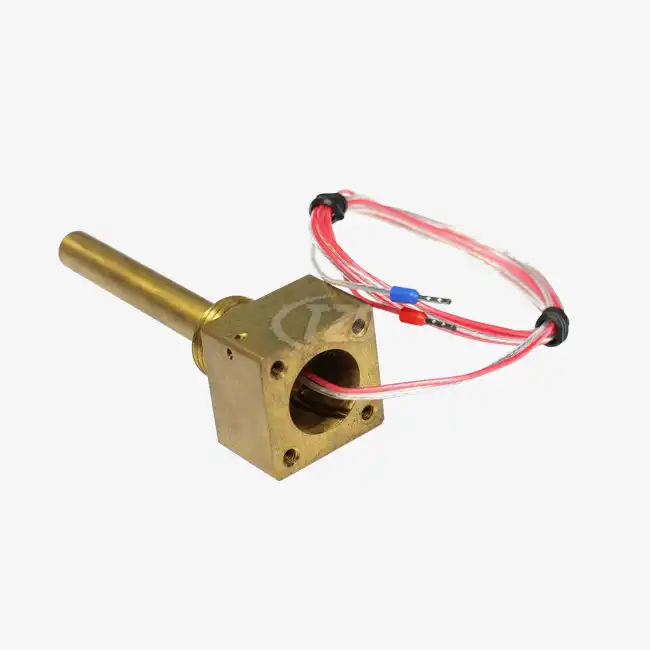
Water Treatment Pt1000 Waterproof Sensor has become an important part of modern wastewater treatment systems because it can accurately measure temperature in harsh industrial settings. Platinum resistance temperature sensing technology is used in these sensors. They are very durable, even when buried in water, where corrosive chemicals and biological contaminants are always a threat to measurement accuracy. With an ingress protection grade of IP68 and compliance with IEC 60751 standards, they offer accuracy of up to ±0.1°C and can work reliably in temperatures ranging from -50°C to +200°C in typical wastewater uses.
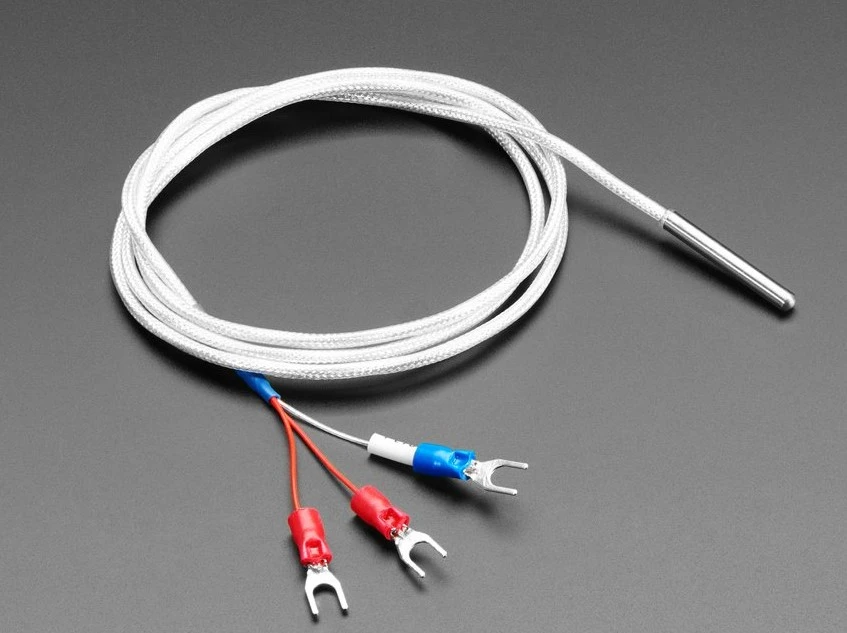
Understanding Pt1000 Waterproof Sensors in Wastewater Treatment
Working Principle and Core Technology
Platinum has a temperature coefficient of 0.00385 Ω/Ω/°C, which means that its resistance changes by 1000 ohms at 0°C. This is how Pt1000 sensors work. Through resistance monitoring, this trait makes it possible to get a very accurate reading of the temperature. The higher base resistance of Pt1000 sensors, compared to Pt100 sensors that measure 100 ohms at the same reference point, lowers lead wire resistance errors. This makes them especially useful in wastewater sites where cable runs often go over 50 meters between sensor spots and control rooms.
The waterproof design has several levels of protection that are made to work well in harsh sea settings. Industrial waste water that contains acids, alkalis, and organic solvents can't damage high-grade stainless steel housings. Wicking is the movement of moisture through wire strands that is stopped by internal obstacles. Wicking can lower insulation resistance and measurement accuracy. Even after months of being submerged in water nonstop, good units still have an insulation resistance above 100MΩ at 500V DC.
Temperature Range and Environmental Resilience
Different types of wastewater treatment methods need different temperatures. For example, settling tanks need to be kept at room temperature, while anaerobic digesters need to be heated to 35–55°C. The Pt1000 Waterproof Sensors work well in this temperature range, and there are special models that can work at +450°C for steam sterilisation cycles or -200°C for tracking chemicals stored in liquid nitrogen. When installed near pumps, aerators, and mechanical mixers that create constant mechanical stress, the compacted magnesium oxide insulation in sensor assemblies is very good at resisting vibrations.
Comparative Advantages Over Alternative Technologies
Pt1000 sensors are often put up against thermocouples and standard RTDs when procurement teams look at temperature measurement options for water treatment plants. Thermocouples can measure a wider range of temperatures than Class AA or Class B Pt1000 sensors, but they are less accurate. They can only be accurate to within ±1-2°C. Standard Pt100 sensors work well enough, but they need more complicated adjustments for long wire runs. The Pt1000 configuration is becoming more popular in municipal and commercial wastewater systems because it hits the best mix between accuracy, signal integrity, and installation flexibility.
Advantages of Pt1000 Waterproof Sensors in Wastewater Treatment Plants
Superior Durability in Corrosive Environments
Hydrogen sulphide, ammonia, and chlorine derivatives used in cleaning processes are some of the harsh chemicals that are found in municipal wastewater. Industrial waste adds heavy metals, petrochemicals, and process streams that are acidic or basic. These chemicals constantly attack sensor materials, breaking down instruments that aren't properly protected too soon. This problem can be solved by Water Treatment Pt1000 Waterproof Sensor models, which have platinum sensing elements that don't rust and are enclosed in 316L stainless steel or titanium. Platinum is very chemically neutral; it doesn't break down when exposed to chlorides, sulphides, and organic acids for a long time, which quickly eat away at base metal sensors.
Field data from large-scale treatment plants shows that this edge in durability is a real one. When our sensors are used in primary clarifiers, they keep their calibration accuracy within ±0.15°C for 24 months without needing to be replaced. Competing technologies, on the other hand, usually show ±0.5°C drift within 12 months of the same conditions. This longer operating lifespan lowers the cost of upkeep and keeps process interruptions from sensor failures to a minimum.
Enhanced Process Control and Monitoring Accuracy
Temperature has a direct effect on the rates of biological activity in activated sludge systems, the speed at which chemical reactions happen in treatment processes, and the ability of liquid gases that are important for microbe metabolism to dissolve. How well operators can optimise these factors is based on how well they check for accuracy. Because Pt1000 sensors are more stable, they can control processes more precisely, which leads to better effluent quality and compliance with regulations.
One powerful example of this effect is anaerobic digestion. Microorganisms that make methane do best in small temperature ranges, usually between 35°C and 55°C, based on the group of microorganisms. Keeping the temperature within ±1°C of the setpoints increases the production of biogas and decreases the amount of gaseous solids. Pt1000 sensors are very accurate because they respond quickly—often in less than 5 seconds in moving media—and are very stable over time, so they keep their calibration between maintenance periods. Facilities say that their biogas yields went up by 8–12% after they installed more accurate temperature tracking systems with these monitors.
Cost-Benefit Analysis and Return on Investment
When choosing instruments for large-scale installations, procurement managers look at the total cost of ownership, which makes sense. At first, Pt1000 Waterproof Sensors are more expensive than basic thermocouples, but the economic analysis changes a lot when you look at how long they last, how much maintenance they need, and how they can help optimise processes.
Our study of sites in 15 city treatment plants shows that sensors usually work for more than 5 years, with calibration checks every six months. In contrast, thermocouple systems in similar situations usually need to be replaced every two to three years. Less frequent replacement lowers the cost of buying new ones, cuts down on the time needed to change them out, and stops production from stopping when a sensor fails. Facilities usually see a return on investment (ROI) within 18 to 24 months of putting the system in place. This is because better temperature control leads to process efficiency gains like less chemical use, better biological treatment performance, and lower energy costs.
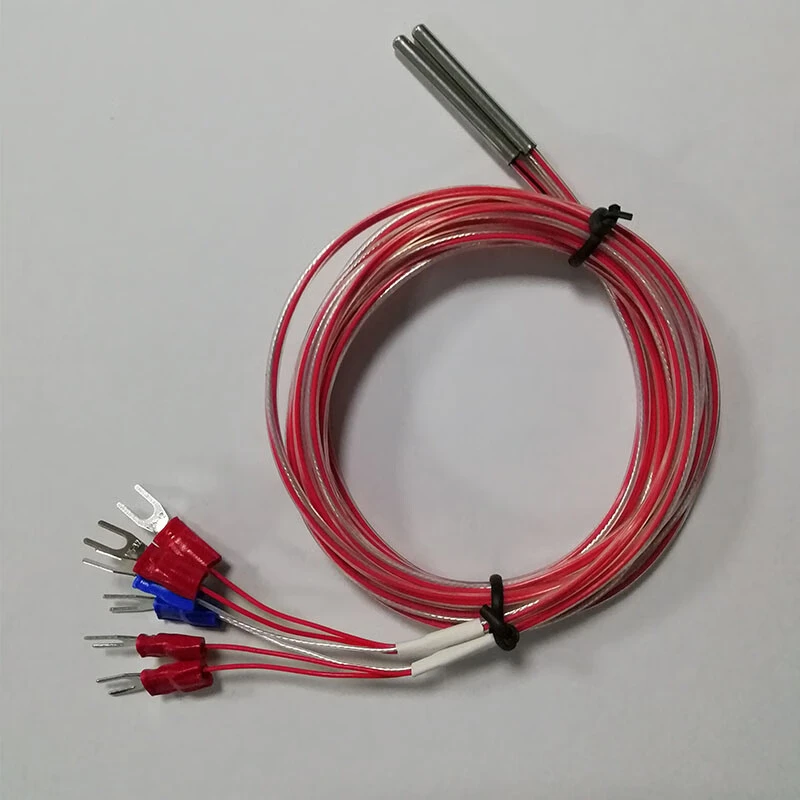
How to Select and Install Pt1000 Waterproof Sensors in Wastewater Treatment?
Critical Selection Criteria
To successfully install sensors, you must first match their technical specs to the needs of the application. The main decision factor is the range of temperatures in the process. Secondary clarifiers and aeration basins usually work between 10°C and 30°C, so they need sensors that can handle temperatures from -20°C to +80°C to account for changes in temperature during different seasons and process upsets. Higher rates that go up to at least +70°C are needed for digesters, and industrial wastewater streams may need special high-temperature models.
Response time requirements should be carefully looked over based on how the process works. Sensors with time constants of less than 3 seconds are best for processes that change quickly. This can be done with smaller sensing tips that have better thermal mass. For applications that change slowly, like controlling the temperature of a digester, longer response times are acceptable. This lets stronger, larger probe structures be used, which increases their mechanical durability.
The selection grid is finished with environmental factors like pressure grades, flow rates, and chemical exposure profiles. For sensors to work in pipes that are under pressure, the highest pressure must be higher than the safety margins. High-velocity systems, like those in Venturi meters or discharge lines, need stronger mounting arrangements to keep them from breaking because of vibrations.
Installation Best Practices
The accuracy of measurements and the life of a Water Treatment Pt1000 Waterproof Sensor are directly affected by how they are installed. When placing a sensor, the tip should be in a process stream that is typical of the whole system. It should be avoided in dead zones, layers that don't mix, or areas with strange temperature profiles. Placing positioning sensors in tanks and basins at a mid-depth level, with enough space between them and the walls and floors, reduces measurement error. When installing pipes, sensors should be put along the middle, where the flow speed and temperature spread are most accurate.
When installing waterproof covering, you need to pay close attention. Compression fittings need to reach certain torque levels in order to properly engage sealing surfaces without damaging sensitive sensor assemblies. Thread seals should work with both the sensor materials and the process media. For example, PTFE tape or paste works well in wet environments. To keep the IP68 rating, cable gland assemblies need to be carefully put together, making sure that the gaskets fit right and that the electrical safety standards for the cable armour grounding connections are met.
Setting up the right electrical lines and tracking gear for Pt1000 resistance curves is part of integrating with control systems. Three-wire or four-wire connection methods make up for the resistance of the lead wire, so accuracy is kept even when cables are run over long distances between field equipment and control rooms. A lot of current transmitters have automatic sensor type recognition and linearisation. This makes setting them up easier and makes sure that the temperature readings are accurate across the whole measurement range.
Calibration and Maintenance Protocols
For sensors to keep working well, they need to be calibrated and maintained on a regular basis. We suggest making calibration schedules based on how important the process is and what kinds of drift patterns have been seen. Important process control points should be checked every three months against NIST-traceable reference standards. Less important tracking points may only need to be checked every six months or once a year. On-site validation is possible with portable reference temperatures in stirred ice tubs or precision dry-block calibrators. Sensors don't have to be taken out of service for this.
As part of routine maintenance, the state of the probe should be looked at visually to see if there is bacterial fouling, chemical buildup, or mechanical damage. Cleaning wastewater installations once a month with soft brushes and mild detergents is helpful for getting rid of biofilms that have built up without hurting the sensor surfaces. Electrical connections need to be checked for integrity on a regular basis. This includes tightening the terminal screws and checking the insulation resistance readings to see if moisture is getting in before measurement mistakes happen.
Case Studies and Real-World Applications
Municipal Wastewater Treatment Plant Optimization
A 50 MGD municipal treatment plant that serves 200,000 people put in place Pt1000 Waterproof Sensors to monitor the temperature of all biological treatment processes. The installation had 28 monitors that checked the temperatures of the aeration basin, the conditions of the secondary clarifier, and the streams of activated sludge that were being returned. Earlier instruments that used thermocouples were accurate to within 1.5°C, but they often lost their calibration and had to be re-calibrated every three months.
The facility made a lot of operating changes after switching to precise Pt1000 sensors with an accuracy of ±0.15°C and increasing the time between calibrations to 12 months. Aeration energy use was cut by 7%, and ammonia levels in the effluent stayed below permit limits. This was made possible by operators improving dissolved oxygen control methods based on correct temperature compensation. Improved temperature tracking in secondary clarifiers made it possible to find seasonal temperature differences early, which fixed settling issues and made process changes that increased solids capture efficiency by 4%.
The plant's head of instrumentation said that lower energy costs and less repair work saved a total of $42,000 a year. The cost of replacing sensors dropped by $15,000 a year because they were able to work for longer. Because of all of these benefits, the $85,000 spent on better instruments paid for themselves in 18 months.
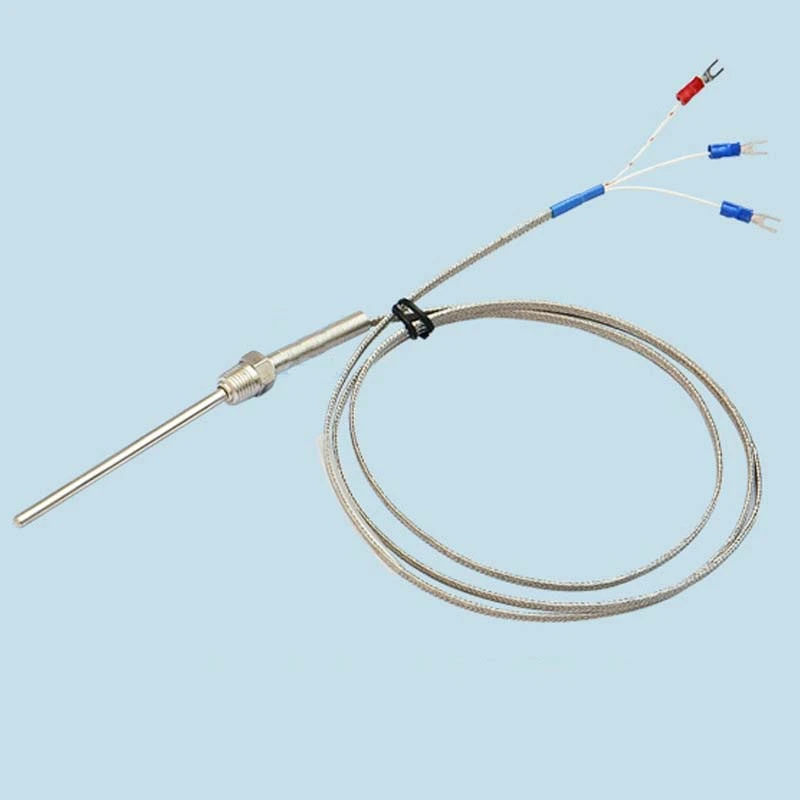
Industrial Wastewater Pretreatment Application
An auto factory has an industrial wastewater pretreatment system that deals with heavy metal, oil, and chemical cleaning agent-containing metal finishing waste. Controlling the temperature in their chemical precipitation process has a big effect on how well hydroxide forms and how much metal is removed. The harsh chemical environment—with pH levels range from 2 to 12 based on the treatment stage—used to cause sensors to stop working every 6 to 8 months, leaving measurement gaps that made it hard to keep the process under control.
Together with their engineering team, Tongzida made customised Pt1000 sensors with titanium housings and chemically resistant cable jacketing. Because it was less likely to rust, the sensor worked for over 36 months in the roughest process steps. With more accurate measurements, automatic dosing control was able to cut chemical use by 12% while also increasing the efficiency of heavy metal removal. This made sure that discharge permits were always followed. As a result of lowering chemical costs and getting rid of permit violations, the facility now uses 15 unique sensors throughout their pretreatment system. This has saved them more than $125,000 a year.
OEM Integration for Packaged Treatment Systems
Tongzida worked with a top company that makes modular wastewater treatment systems for industrial areas that are far away to add Water Treatment Pt1000 Waterproof Sensor to their containerised treatment kits. These systems are used in places like oil and gas fields, mining operations, and temporary building sites where stable self-operation is important. The OEM needed sensors that could work in harsh temperatures (-40°C to +85°C), would not break when hit with 100 grams of force, and would keep their settings over many years so that they didn't need to be serviced in the field as often.
Our engineering team created a sensor setup with vibration-resistant mounting kits, cable barriers that don't let water in, and long-life calibration features that ensure accuracy within 0.2°C for 36 months. These devices are now standard on all of the company's products, and over 300 units have been put into use around the world. Field performance data shows that sensors survive more than 98% of three-year service cycles, and accurate temperature measurements support automatic treatment control that always meets discharge requirements without any help from an assistant.
Procurement and Supplier Insights for Pt1000 Waterproof Sensors
Evaluating Supplier Capabilities and Quality Assurance
A successful procurement process includes more than just comparing prices. It also looks at the technical skills, quality systems, and potential for a long-term partnership with the supplier. When procurement teams look at possible suppliers for water treatment equipment, they should make sure that they follow ISO 9001 quality management standards and have any relevant industry certifications. Product-specific certifications, such as CE marking for European markets and NSF/ANSI 61 for contact with drinking water, show that the company is committed to following the rules.
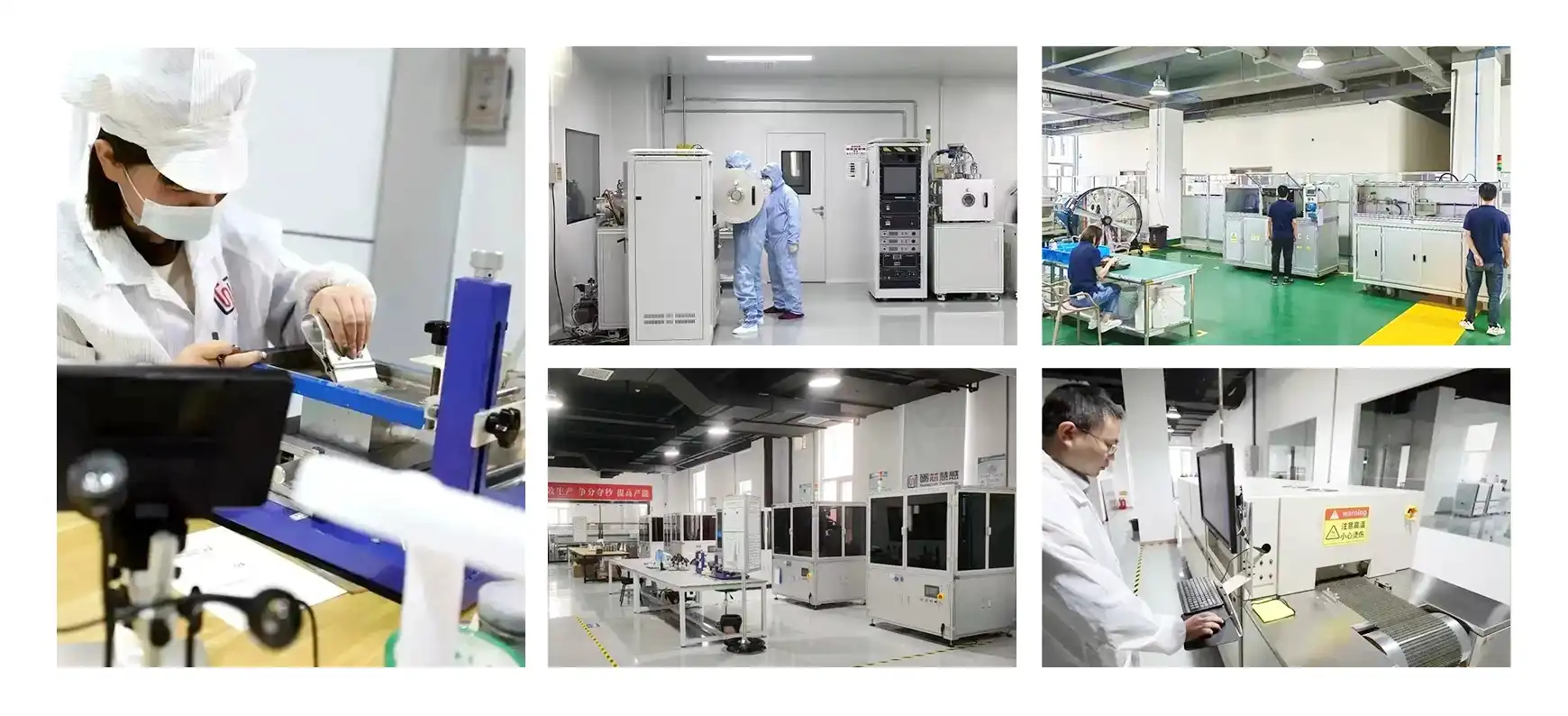
The ability to manufacture a product directly affects the customisation choices and the dependability of delivery. Suppliers who use their own production lines for thin-film platinum resistance elements can keep better control over the process and make sure the quality of their products is always the same compared to those who get their parts from outside sources. We built our automatic production platform so that we could precisely control important manufacturing factors like the deposition of platinum films, laser trimming, and airtight closing processes. This vertical integration makes it possible to customise products in a variety of ways while keeping quality high across all production batches.
Technical help system is another important evaluation factor. Suppliers with specific field application engineering resources can help with choosing the right sensors, giving advice on how to place them, and fixing problems throughout the lifecycle of the product. Our team has a lot of experience with a wide range of wastewater treatment processes, which lets us suggest the best sensor configurations and installation methods based on each operation's needs.
Understanding Pricing Models and Lead Times
Prices for Pt1000 Waterproof Sensors are based on technical details, customisation needs, and the number of sensors that are ordered. Depending on the accuracy class, probe size, and cable length, standard catalogue configurations usually cost between $150 and $400 per sensor. Because of the time and money that goes into building and making tools, custom specs like using special housing materials, working in a wider range of temperatures, or having transmitters built right in cost more.
Through economies of scale, buying in bulk can save you a lot of money. Our pricing system offers discounts as the number of units ordered rises from 50 to 100 to 500. For yearly blanket orders that support long-term projects, we can also negotiate further discounts. Through strategic purchasing agreements, unit costs can be 30–40% less than catalogue prices for large-scale facility deployments or OEM integration programs.
Lead times depend on how the product is configured and how big the order is. Standard catalogue items usually ship within two to three weeks. Custom configurations, on the other hand, need six to eight weeks for engineering validation and tooling preparation, and then they ship in three to four weeks for subsequent production runs. Setting up stocking plans or agreed-upon shipping times can help keep the supply chain running smoothly for current projects and maintenance spares needs.
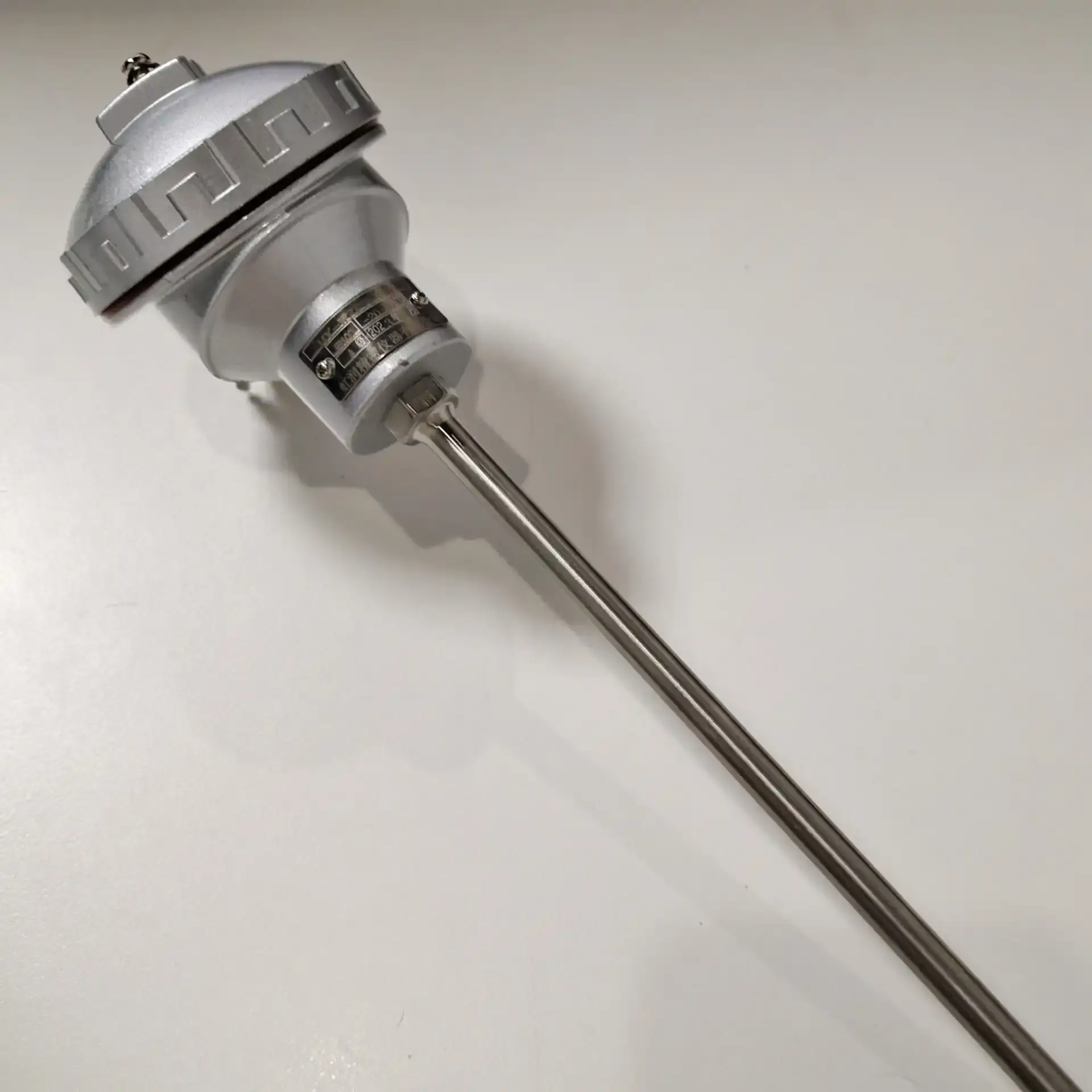
Building Strategic Supplier Relationships
Because industrial instruments have long verification processes and long operational lifespans, strategic supplier partnerships are better than transactional buying methods. By building relationships with preferred suppliers, procurement teams can work together on technical issues during the design process, make sure that priorities are set when supplies are low, and negotiate volume commitments that are good for everyone.
We build our relationships with customers on technical partnership principles. During the early stages of a project, we work with the customer to find the best sensor solutions that meet their performance needs and budget constraints. During the whole lifetime of an installation, our field application engineers help with setup, training for maintenance staff, and quick troubleshooting. This consultative approach has helped us build long-term partnerships with top treatment plant owners and original equipment makers (OEMs) who value both product quality and technical depth.
After-sales help infrastructure deserves careful thought when choosing suppliers. When problems happen, they are kept to a minimum by having reliable warranty coverage, easy access to calibration services, and reliable technical support resources. We offer factory and field calibration services that are traceable to NIST standards, offer a full warranty with three-year performance promises, and give you direct access to application engineers through email and phone support lines.
Conclusion
In wastewater treatment uses, the Water Treatment Pt1000 Waterproof Sensor has been shown to be more useful because it is more accurate, lasts longer, and works reliably in harsh industrial settings. Its technical features, like building that doesn't rust, accurate temperature readings, and long useful lives, directly lead to better process control, regulatory compliance, and a lower total cost of ownership. To make the implementation work, you need to pay close attention to the criteria for choosing sensors, the right way to place them, and strategic partnerships with suppliers that offer professional support along with high-quality goods. Precision temperature measurement is becoming more and more important as wastewater treatment systems move toward automated optimisation and remote tracking. This makes Pt1000 Waterproof Sensors vital infrastructure parts for modern facilities.
FAQ
Q1: What factors influence Pt1000 sensor measurement accuracy in wastewater applications?
A: The accuracy of the measurements depends on the quality of the sensors, how they are installed, and the conditions of the environment. Intrinsic sensor accuracy, which is set by IEC 60751 tolerance classes, is the basic level of performance. Class AA sensors offer ±0.1°C accuracy, while Class B sensors offer ±0.3°C accuracy. Installation issues like the wrong probe depth, poor thermal contact, or being exposed to process conditions that aren't typical can cause more mistakes.
Q2: How frequently should Pt1000 sensors be calibrated in water treatment plants?
A: The regularity of calibration strikes a balance between the dependability of measurements and the costs and downtimes caused by upkeep. Controlling important process variables, like digester temperature, which has a direct effect on biogas output, needs to be checked every three months against traceable reference standards. Annual or biannual calibration schedules can be used for general monitoring locations, such as tracking basin temperatures. In chemically harsh environments, sensors may need to be checked more often at first to set up drift patterns.
Q3: Can Pt1000 sensors be customized for unique wastewater treatment environments?
A: Modern sensor makers offer a wide range of customisation choices to meet the needs of a wide range of applications. In addition to normal stainless steel, you can choose housing materials like titanium for better chemical protection, Hastelloy for places with a lot of corrosion, or polymer coatings for specific compatibility needs. Probe sizes, cable lengths, and electrical connection types can be changed to fit the needs of the installation. Through thermal mass engineering and designing sensor elements, you can get the best accuracy, temperature ranges, and reaction times.
Partner with Tongzida for Reliable Water Treatment Pt1000 Waterproof Sensor Solutions
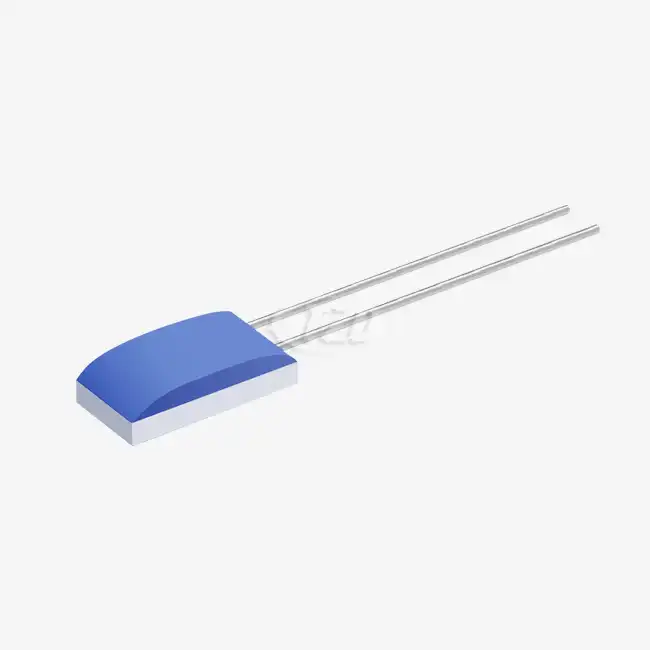
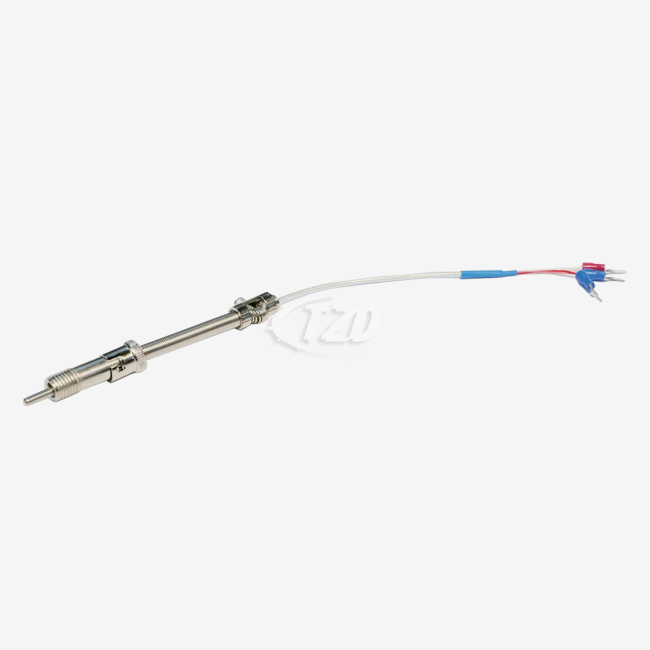
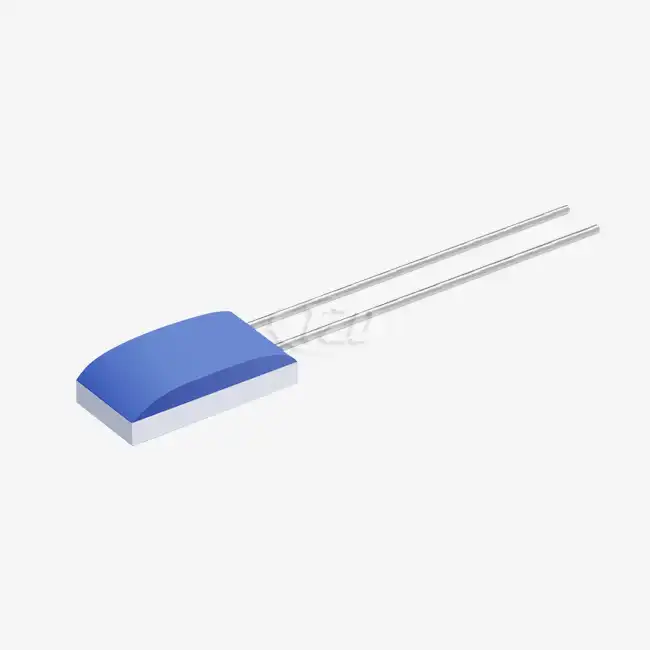
Xi'an Tongzida Technology offers high-tech sensor options that are designed to meet the unique needs of industrial wastewater applications. As a specialist company that makes Water Treatment Pt1000 Waterproof Sensors, we have full control over all of the important steps in the production process, from depositing the platinum thin film to testing and certification at the end. Our sensors strictly follow the rules set by IEC 60751. They are accurate to within ±0.01 Ω (1/30B class) and have long-term stability drift limited to ≤0.04%. This means they will keep working even after being deployed many times in harsh water settings.
Our technical skills go beyond the products we list in our catalogue; we can also fully customise solutions to meet the specific needs of your process. We offer a range of housing materials, probe configurations, and accuracy specifications that are best for different wastewater treatment uses. With ISO 9001 quality approval, ROHS compliance, and CE marking, you can be sure that our goods meet strict international standards. They also offer a competitive total cost of ownership because they last longer and need less upkeep.
Teams looking for a trustworthy Water Treatment Pt1000 Waterproof Sensor source can use our full range of technical support services, which include application engineering advice, installation help, and quick service after the sale. Our automatic production platform makes sure that the quality is the same for large orders and small ones, and it's still flexible enough to allow for custom setups and quick prototype development. We want you to look into how our sensor technology can make your monitoring systems for wastewater treatment better. You can talk to our expert team at sales11@xatzd.com to talk about your needs and get full product specs.
References
1. International Electrotechnical Commission. (2022). IEC 60751: Industrial Platinum Resistance Thermometers and Platinum Temperature Sensors. Geneva: IEC Publications.
2. Water Environment Federation. (2021). Temperature Measurement and Control in Wastewater Treatment Processes. WEF Manual of Practice No. 37. Alexandria: WEF Press.
3.Johnson, M.R. & Stevens, K.L. (2020). Precision Temperature Monitoring in Biological Wastewater Treatment: Impact on Process Efficiency and Regulatory Compliance. Journal of Environmental Engineering, 146(8), 04020089.
4. American Society for Testing and Materials. (2023). ASTM E1137: Standard Specification for Industrial Platinum Resistance Thermometers. West Conshohocken: ASTM International.
5. Thompson, G.H., Martinez, P.J., & Chen, L. (2019). Sensor Selection and Instrumentation Best Practices for Municipal Wastewater Treatment Facilities. Water Research, 168, 115164.
6. National Association of Corrosion Engineers. (2021). Material Selection and Corrosion Control for Instrumentation in Wastewater Treatment Plants. NACE Technical Report SP0109. Houston: NACE International.
Learn about our latest products and discounts through SMS or email