- English
- French
- German
- Portuguese
- Spanish
- Russian
- Japanese
- Korean
- Arabic
- Greek
- German
- Turkish
- Italian
- Danish
- Romanian
- Indonesian
- Czech
- Afrikaans
- Swedish
- Polish
- Basque
- Catalan
- Esperanto
- Hindi
- Lao
- Albanian
- Amharic
- Armenian
- Azerbaijani
- Belarusian
- Bengali
- Bosnian
- Bulgarian
- Cebuano
- Chichewa
- Corsican
- Croatian
- Dutch
- Estonian
- Filipino
- Finnish
- Frisian
- Galician
- Georgian
- Gujarati
- Haitian
- Hausa
- Hawaiian
- Hebrew
- Hmong
- Hungarian
- Icelandic
- Igbo
- Javanese
- Kannada
- Kazakh
- Khmer
- Kurdish
- Kyrgyz
- Latin
- Latvian
- Lithuanian
- Luxembou..
- Macedonian
- Malagasy
- Malay
- Malayalam
- Maltese
- Maori
- Marathi
- Mongolian
- Burmese
- Nepali
- Norwegian
- Pashto
- Persian
- Punjabi
- Serbian
- Sesotho
- Sinhala
- Slovak
- Slovenian
- Somali
- Samoan
- Scots Gaelic
- Shona
- Sindhi
- Sundanese
- Swahili
- Tajik
- Tamil
- Telugu
- Thai
- Ukrainian
- Urdu
- Uzbek
- Vietnamese
- Welsh
- Xhosa
- Yiddish
- Yoruba
- Zulu
How to Maintain Platinum Resistance Thermistors in Industrial Automation Environments?
How to Maintain Platinum Resistance Thermistors in Industrial Automation Environments?
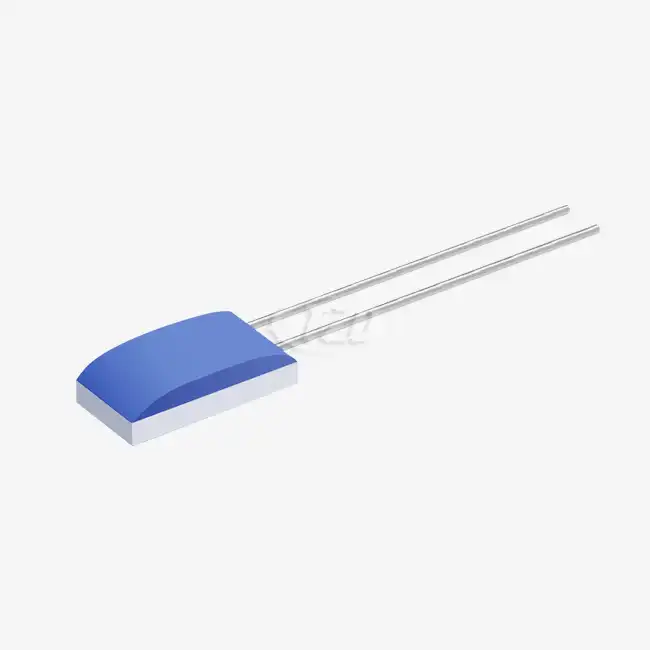
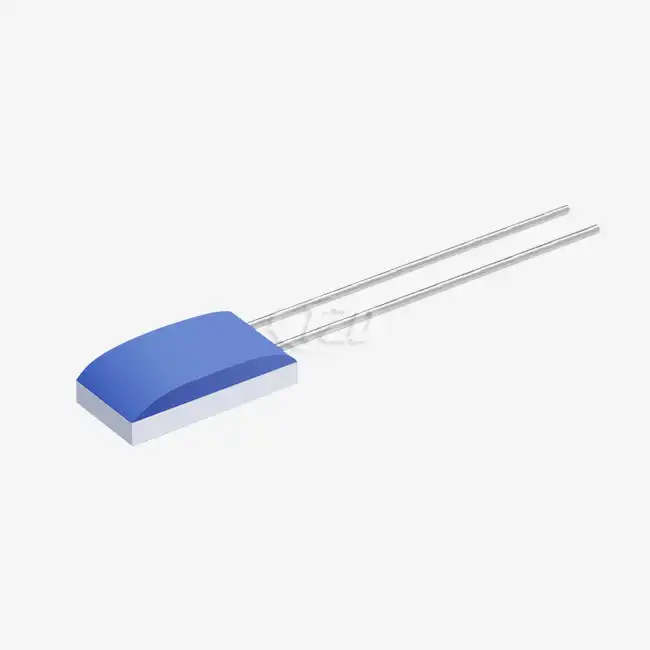
Proper maintenance is the key to maximizing the lifespan and performance of platinum resistance thermistors in industrial automation. While these sensors are durable, harsh environments and continuous use require proactive care to avoid drift, damage, and downtime. This guide outlines expert-approved maintenance steps to keep your platinum resistance thermistors operating at peak efficiency.

Routine Inspection: Preventative Maintenance Basics
Routine inspections should be conducted every 6 months (or quarterly for high-stress environments) to catch issues early. Start by checking the sensor’s physical condition: inspect leads for fraying, corrosion, or damage to the insulation. Platinum-nickel leads are durable, but silver-palladium or pure platinum leads may show wear in corrosive settings—replace leads if they show signs of degradation.
Next, verify mounting stability. Ensure the sensor is securely fastened to thermowells or surfaces, as loose mounts can cause inaccurate readings due to poor heat transfer. For surface-mounted platinum resistance thermistors, check that thermal paste is still intact—reapply if it’s dried out or cracked to maintain optimal heat conduction.
Calibration: Ensuring Long-Term Accuracy
1. Calibration Frequency
Platinum resistance thermistors have excellent long-term stability, but calibration is still necessary to maintain accuracy. For most automation applications, calibrate every 2-3 years. For high-precision processes (e.g., pharmaceutical manufacturing), calibrate annually. Avoid over-calibrating—frequent handling can damage the sensor and introduce errors.
2. Calibration Methods
Use a calibrated dry-block calibrator or liquid bath to test your platinum resistance thermistors. Compare the sensor’s reading to the calibrator’s known temperature (e.g., 0°C, 100°C) and adjust the PLC offset if needed (typically within ±0.1°C). Document all calibration results for compliance (GMP, ISO) and traceability.

Cleaning and Environmental Protection
Clean sensors regularly to remove dirt, grease, or chemical residues that can insulate the sensor and skew readings. For non-corrosive environments, wipe the sensor with a lint-free cloth dampened with isopropyl alcohol. For corrosive or food-grade environments, use FDA-approved cleaners and ensure the sensor is completely dry before reinstallation.
Protect sensors from extreme environmental stress. In wet automation environments (e.g., food washing lines), ensure waterproof packaging is intact—replace gaskets or enclosures if they show leaks. In high-vibration areas, use anti-vibration mounts to reduce mechanical stress on the sensor and leads.
Troubleshooting Common Issues
Even with proper maintenance, issues may arise. Here’s how to troubleshoot common problems with platinum resistance thermistors:
1. Inaccurate Readings: Check for loose wiring, damaged leads, or fouled sensors. Reapply thermal paste or clean the sensor if needed. 2. No Readings: Verify wiring connections to the PLC. Test the sensor with a multimeter—if resistance is outside the expected range (e.g., 100Ω at 0°C for PT100), replace the sensor. 3. Drift: If readings drift suddenly, inspect for exposure to extreme temperatures or chemicals. Recalibrate and replace if drift exceeds ≤±0.04%.

FAQ: Maintaining Platinum Resistance Thermistors
Q: Can I calibrate platinum resistance thermistors on-site, or do I need to send them to a lab? A: On-site calibration is possible with a portable dry-block calibrator for most applications. For ISO compliance, use an accredited lab for annual calibration.
Q: How do I maintain platinum resistance thermistors in food processing automation? A: Use food-safe cleaners, avoid abrasive materials, and ensure waterproof packaging to prevent contamination and damage from cleaning chemicals.
Q: When should I replace a platinum resistance thermistor instead of maintaining it? A: Replace if leads are severely corroded, calibration drift exceeds specifications, or the sensor housing is cracked (which compromises insulation resistance).
Conclusion & CTA
With proper maintenance, platinum resistance thermistors can deliver reliable performance for 5-10 years in industrial automation. Routine inspections, calibrated maintenance, and environmental protection minimize downtime, reduce replacement costs, and ensure consistent accuracy.
Need help creating a maintenance schedule tailored to your automation environment? Our team of experts can provide personalized guidance, including calibration best practices and cleaning protocols. Contact us today to request a free maintenance checklist for your platinum resistance thermistors.

Author Information:
[Zhu Di] is a maintenance specialist for industrial automation systems, with expertise in sensor care and performance optimization. He helps manufacturers extend sensor lifespans and reduce operational costs.
References:
1. “Sensor Maintenance Guide for Industrial Automation” – Robotics and Automation Society, 2024.
2. ISO 9001:2015. Quality Management Systems – Requirements for Calibration and Maintenance.


Xi'an Tongzida Technology Co., Ltd. is a leading manufacturer and supplier of advanced thermistor technology, focusing on providing high-performance temperature sensors for demanding industrial applications. We have profound expertise in microsensor manufacturing, specific packaging technologies, and multi-sensor integration methods, which ensures the excellent performance and reliability of our thermistors. As a trusted supplier of precision temperature measurement solutions, we offer a complete thermistor system, including sensor chips, testing systems, and analysis software. Please feel free to contact our technical experts at any time. ventes11@xatzd.com Discuss your specific requirements for thermistors and learn how our advanced thermal resistor optimization and manufacturing capabilities can enhance the performance and reliability of your temperature measurement system.
Learn about our latest products and discounts through SMS or email